
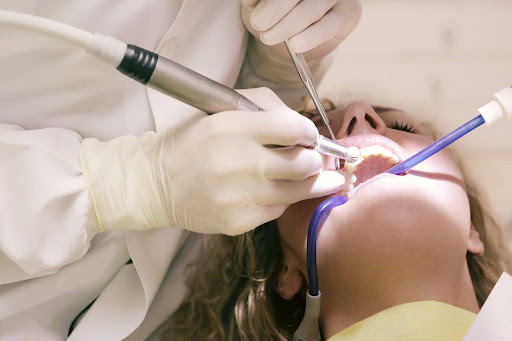
If you’re wondering how often oral hygiene checks should take place, the honest answer is simple: it depends on your mouth, not the calendar. Some people stay stable with longer gaps. Others need closer monitoring because plaque builds up quickly, gums inflame easily, or there are restorations and appliances that create plaque traps.
Our focus is to keep gum health steady, manage build-up before it becomes a problem, and help you maintain habits that work in real life, not just in theory.
What we mean by an oral hygiene check
People use “hygiene check” to mean different things, so it helps to be clear.
An oral hygiene check usually includes:
- A review of gum health, including bleeding and visible signs of inflammation
- Identifying plaque and tartar build-up around the gumline and between teeth
- Professional cleaning where needed
- Practical advice on brushing and cleaning between teeth
- Agreeing on when you should be reviewed again, based on risk
It’s not about doing the same thing every time. It’s about checking what’s changed, targeting the areas that need attention, and setting a recall pattern that helps reduce the chance of inflammation and build-up returning between visits.
Why the timing matters
Gum problems often start quietly. Plaque sits along the gumline, irritation builds, and bleeding can creep in gradually. Hygiene checks help us spot early warning signs, manage build-up you can’t shift at home, and keep gum health from drifting in the wrong direction.
The NHS explains how plaque build-up can irritate gums and contribute to gum disease in its overview of gum disease and prevention.
When reviews are timed well, they can help to:
- Keep inflammation from becoming persistent
- Reduce tartar build-up before it becomes stubborn or uncomfortable
- Keep breath fresher and staining easier to manage
- Protect work you’ve invested in, such as crowns, bridges, implants, braces, and retainers
The main factors that decide how often you should be seen
We base the interval on what we find when we examine your gums and build-up, plus what tends to trip you up at home. By “risk”, we mean how likely you are to develop inflammation, tartar build-up or decay between visits, based on clinical findings and day-to-day habits.
NICE sets out the principle of individual recall intervals based on patient risk in its guidance on dental recall intervals for oral health reviews.
What we look at during a risk-based review
A few practical examples of what we assess:
- Whether gums bleed easily when checked
- How much tartar is present, and where it collects
- Where plaque tends to stick, especially around appliances or restorations
- Signs of dry mouth
- The areas you tell us you struggle to clean consistently
In practice, we often see a build-up of plaque behind the lower front teeth and around the back molars, even in people who brush well. Those are common “plaque trap” zones.
Signs you may benefit from more frequent hygiene checks
More regular hygiene checks may be appropriate if you:
- Have bleeding gums, tenderness, or ongoing inflammation
- Have had gum disease previously, or you’re showing early signs now
- Build tartar quickly between visits
- Wear braces, have a fixed retainer, or use aligners
- Have implants, bridges, crowns, or veneers that need consistent plaque control
- Experience dry mouth (which can increase risk)
- Smoke or vape
- Snack frequently or have a high sugar intake
Needing more frequent reviews doesn’t mean you’re doing anything wrong. It often reflects gum sensitivity, anatomy, appliances, or simply how quickly tartar forms.
Signs you may be able to leave longer gaps
Longer intervals are often reasonable when:
- Gums are healthy and stable
- Plaque levels stay low between visits
- Tartar builds slowly
- You clean between your teeth consistently
- There aren’t any risk factors pushing you into a higher-risk category
Typical hygiene check frequency ranges
Rather than giving one number, we prefer ranges. They reflect real life and allow us to adjust timing based on how you’re getting on.
| Gum and build-up pattern | Typical recall range | What we’re aiming for |
| Stable gums, low build-up | Every 9 to 12 months | Maintain and prevent relapse |
| Mild inflammation or moderate build-up | Every 4 to 6 months | Settle gums and reduce tartar |
| Higher risk or active gum concerns | Every 3 to 4 months | Control inflammation and prevent progression |
| Braces, retainers, complex restorations | Every 3 to 6 months | Keep plaque traps under control |
In practice, the people who suit 9 to 12 month reviews tend to have stable gums and very little tartar returning between visits. If we’re seeing bleeding or rapid build-up despite good brushing, we often shorten the interval for a period and review again once gum health is more stable.
What happens during an oral hygiene check
A hygiene check is more than a polish. It’s a gum and build-up review, plus a plan for what to do next.
A typical hygiene check may include:
- Gum review
We look for bleeding, inflammation, recession, and areas that are harder to keep clean. - Plaque and tartar assessment
We identify where build-up is forming and what might be driving it. - Targeted cleaning
We remove what you can’t shift at home, focusing on the gumline and between teeth. - Home routine tweaks
We suggest small adjustments you can actually keep up, rather than a perfect routine that lasts a week. - A tailored recall plan
We agree on a sensible interval based on your risk and what we found.
We’ll usually point out the specific areas where plaque is sticking, so your home routine targets the places that matter most.
If you’re new to us or it’s been a while, it can help to know what the first appointment typically covers. Here’s what to expect at your first dental visit.
When you should consider coming sooner
Some issues shouldn’t wait for the next planned visit. If something changes, it’s worth booking an assessment rather than waiting.
Consider coming in sooner if you notice:
- Bleeding that persists despite gentle, thorough cleaning
- Swelling, pain, or a bad taste that doesn’t settle
- Sudden sensitivity that feels new or worsening
- Gum recession or teeth looking “longer”
- Persistent bad breath despite good home care
- Food trapping that is new or getting worse
- A change around a crown, bridge, or implant area
If you have severe pain, facial swelling, fever, or difficulty swallowing or breathing, seek urgent medical help.
How to make hygiene checks less frequent (without cutting corners)
If your goal is fewer appointments, the best route is not waiting longer. It’s improving stability, so longer gaps are safe.
These habits tend to make the biggest difference:
- Brush twice daily with fluoride toothpaste, spending time along the gumline
- Clean between teeth daily (the best method is the one you’ll do consistently)
- If you stain easily, rinse with water after tea, coffee, or red wine
- Be extra thorough around plaque traps like retainers, braces, bridges, and implants
- Ask us to demonstrate tools that suit your spacing and dexterity
If your gums bleed, it can be a sign of inflammation. Continue cleaning gently if comfortable and avoid vigorous scrubbing. If bleeding persists, worsens, or you have pain or swelling, it’s best to get personalised advice rather than relying on general guidance. If you’ve recently had dental treatment or surgery, follow the aftercare advice you were given.
A simple way to stay consistent with hygiene checks
A planned schedule makes it easier to stay consistent, which is what helps keep gum health steady over time.
Membership isn’t essential, but some patients find that a plan helps them stay consistent with preventive care.
If you want a structured approach, take a look at our Adults Membership Plans and choose the option that fits how often you need to be seen.
For families, you can also explore our Kids Memberships to keep children’s checkups consistent as their teeth and routines change.
In summary
There is no universal rule for how often oral hygiene checks should take place. The most reliable approach is risk-based scheduling:
- Stable gums and low build-up often suit longer intervals
- Inflammation, rapid tartar build-up, appliances, or complex dental work may require more frequent reviews
- If symptoms appear between visits, it’s safer to book sooner
If you’d like us to recommend the right interval based on an assessment, you can contact our team, and we’ll talk through what would be most appropriate for you.
Medical disclaimer: This article is for general information only and does not replace personalised advice from a dental professional who has assessed you in person.