
Losing a tooth is about more than a visible gap; it can make some foods harder to enjoy and affect how clearly you speak. Dental implants are widely used as a long-term way to replace missing teeth and, when well planned and cared for, they can look and feel very natural.
How they work
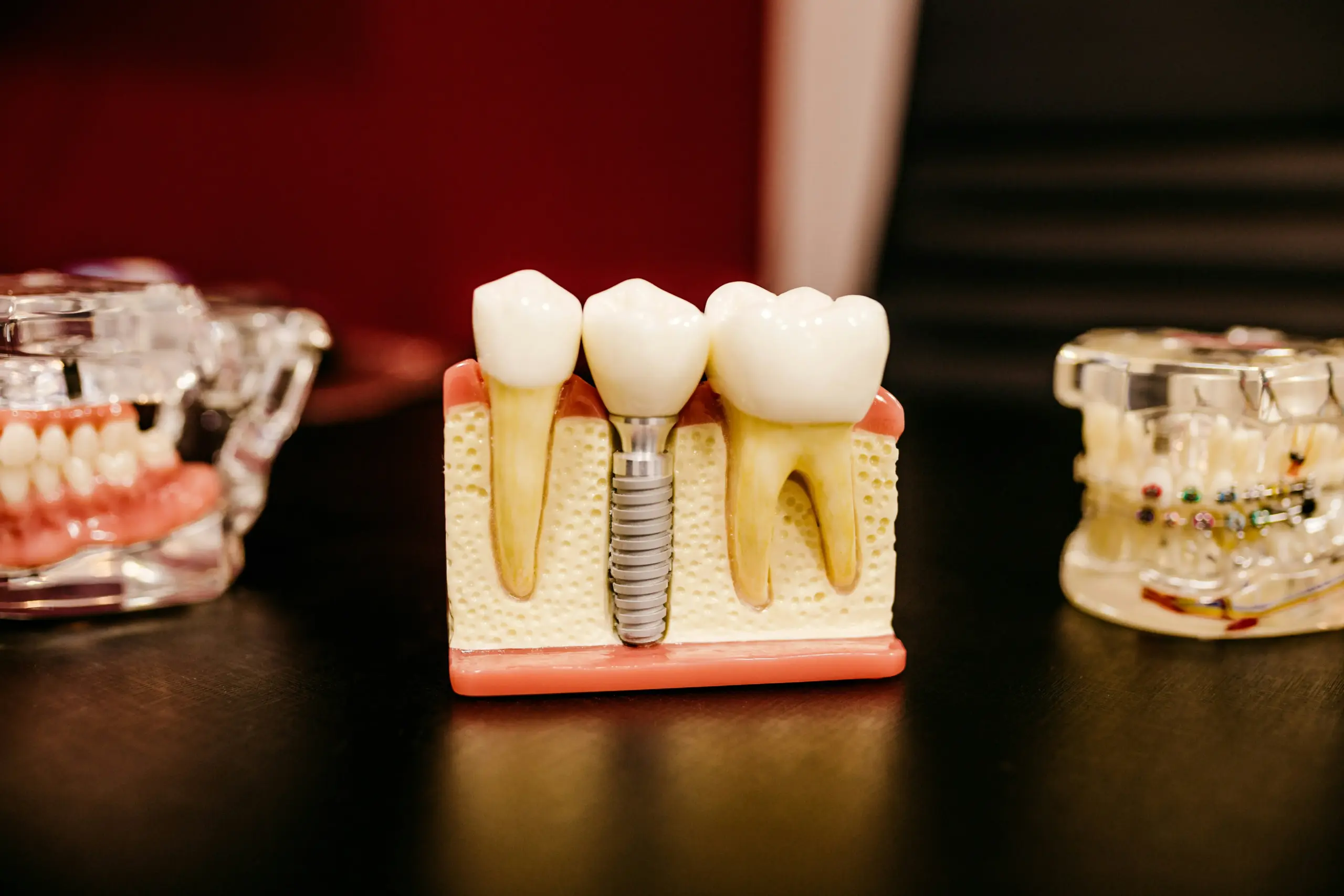
A dental implant is a small titanium post placed into the jawbone, where it acts like an artificial tooth root. Once the bone has healed, the implant can support a crown, bridge or denture to restore the gap.
Patient information from Guy’s and St Thomas’ NHS Foundation Trust on dental implants describes implants as man-made replacements for tooth roots that are fitted into the jawbone to support crowns, bridges or dentures when they are cared for properly.
Many patients notice that well-planned implants blend in with their existing teeth, feel stable when they eat and speak, and help to support the jawbone around the missing tooth. Outcomes vary, and your dentist will discuss what is realistic in your situation.
To see how implants compare with crowns, bridges and dentures, our guide to restorative dentistry is a helpful starting point.
The main types of dental implants
There is no single implant type that suits everyone. Your dentist will consider how many teeth are missing, how healthy your jawbone is, your medical history and what you want from treatment, then match those details to one or more implant options.
The main types you might hear about are:
- Endosteal implants
- Subperiosteal implants
- Zygomatic implants
- Mini implants
- Full arch implant systems
Endosteal implants – the standard option for most patients
Endosteal implants are the most common design used in everyday practice. They are small screw shaped posts placed directly into the jawbone, where they act like artificial roots.
They are often used to replace a single missing tooth with a crown or to support a short bridge when several teeth in a row are missing. Because they are anchored in the bone, they tend to feel very stable and can be a long-term part of your smile when you keep up good oral hygiene and regular check-ups.
If you are deciding between fixed options, it can help to read our comparison of dental bridges and dental implants so you can see how each approach works over time.
Subperiosteal implants – help when jawbone height is reduced
Subperiosteal implants sit on top of the jawbone, underneath the gum, instead of inside the bone itself. A custom metal framework rests over the bone, and the replacement teeth attach to this framework.
Your dentist may consider subperiosteal implants when the jawbone is very shallow or thin and bone grafting is not suitable or not something you wish to have, but a fixed solution is still preferred over a removable denture.
Zygomatic implants – an option for severe upper jaw bone loss
Zygomatic implants are longer implants that anchor into the cheekbone instead of the upper jaw. They are usually considered when most or all upper teeth are missing and a fixed full arch restoration is preferred rather than removable dentures.
Because zygomatic implants are more complex than standard implants, they are typically planned and placed in specialist centres. The Royal College of Surgeons of England implant treatment standards outline when this type of treatment may be appropriate within agreed clinical guidelines.
Mini implants – slimmer fixtures for selected cases
Mini implants work on the same basic principle as standard endosteal implants, but have a narrower diameter. Their slimmer size means they can sometimes be used where space or bone volume is limited, for example, to help stabilise a loose lower denture or support teeth in smaller gaps.
Full arch implant systems – replacing a whole row of teeth
When many or all teeth in a jaw are missing, a full arch system allows a complete bridge of new teeth to be supported on several implants instead of one implant per tooth. Full arch approaches typically use around four to six implants along the jaw to support a fixed bridge that stays in place rather than a removable denture.
A comparison of implant types
| Implant type | Where it sits | Typical use |
| Endosteal | Inside the jawbone | Single teeth, small bridges |
| Subperiosteal | On top of the jawbone, under the gum | Cases with very shallow bone |
| Zygomatic | Anchored in the cheekbone | Severe upper jaw bone loss |
| Mini implant | Inside the bone, a narrow diameter | Selected cases with limited space |
| Full arch system | Several implants along the jawbone | Replacing most or all teeth in a jaw |
How your dentist decides which implant type to use
In simple terms, your dentist will:
- Examine your teeth, gums and bite
- Review your medical history and medications
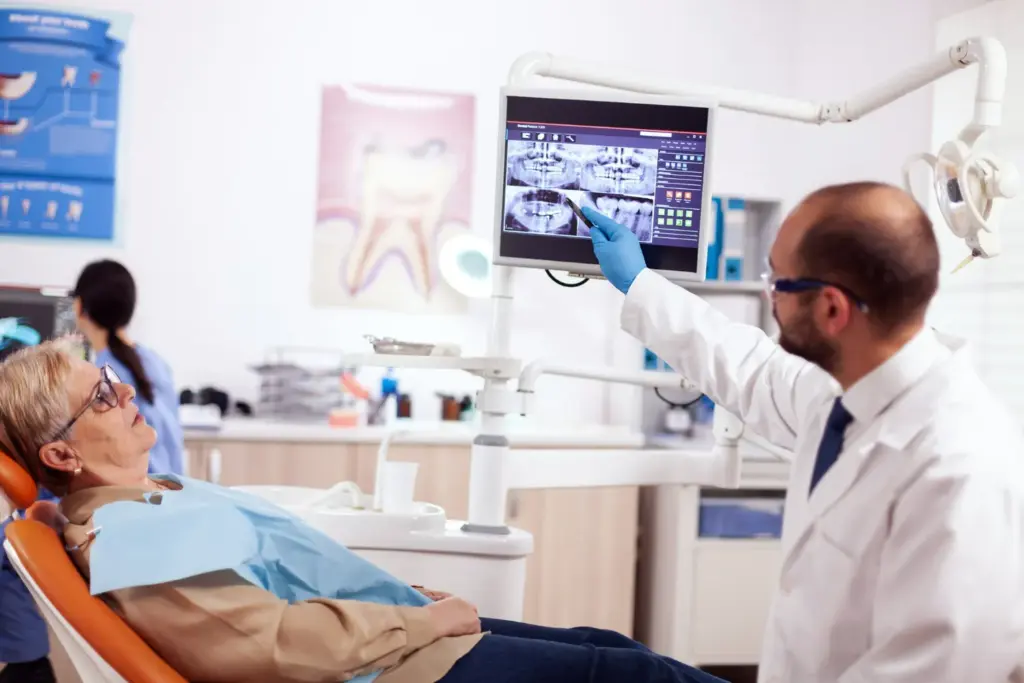
- Take X-rays and, where needed, a cone beam CT scan
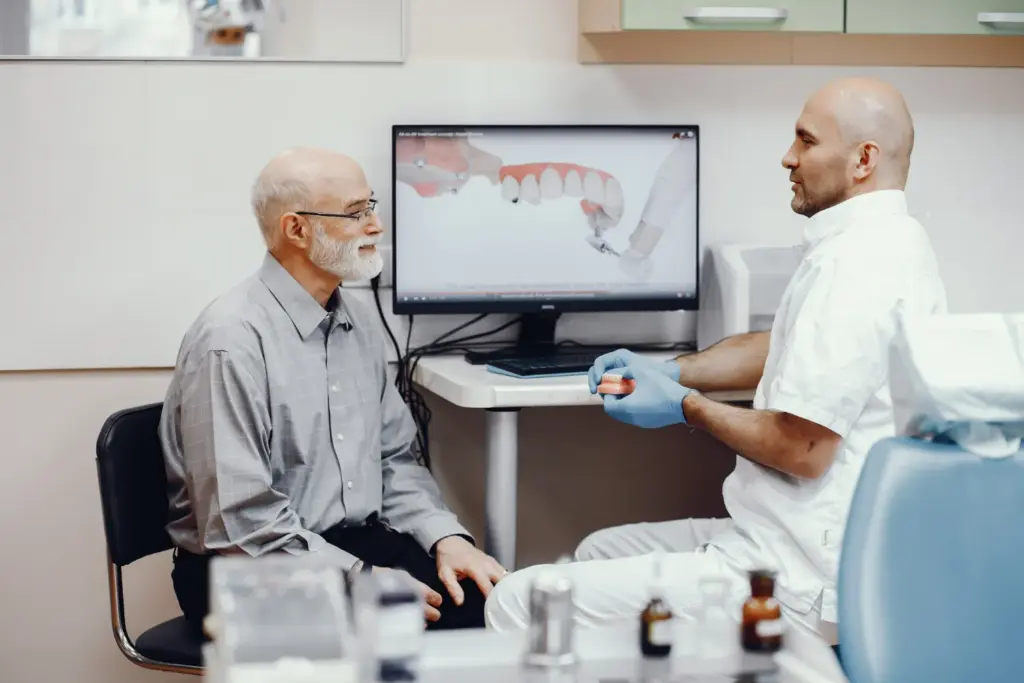
- Talk to you about suitable options and alternatives
A cone beam CT scan is a three-dimensional X-ray that helps your dentist measure bone levels and see important structures such as nerves and sinuses. If you feel nervous about surgery, our team can talk through ways to help you feel more settled, including gentle dental sedation for longer treatments where appropriate.
Who might not be suitable for implants?
Dental implants can have high success rates when they are carefully planned and well-maintained, but they are not right for everyone. Suitability can be affected by:
- Smoking
- Poorly controlled medical conditions, such as unmanaged diabetes
- Medications that influence bone or healing
- Very limited bone volume in key areas
These general points are not a substitute for medical or dental advice, so it is important to talk to your own dentist or GP about your specific circumstances.
Key takeaway
Different types of dental implants exist so that treatment can be tailored to your mouth, your health and your goals. Endosteal implants are the everyday choice for many people with healthy bone, while other designs provide alternatives when situations are more complex.
The key takeaway is that implant treatment should be shaped around you, not the other way round. A careful clinical assessment, clear explanations of benefits and risks, and plenty of time to ask questions are all part of making a safe, confident decision.
Contact us at Chatsworth Dental or book an appointment to find out if they are right for you.